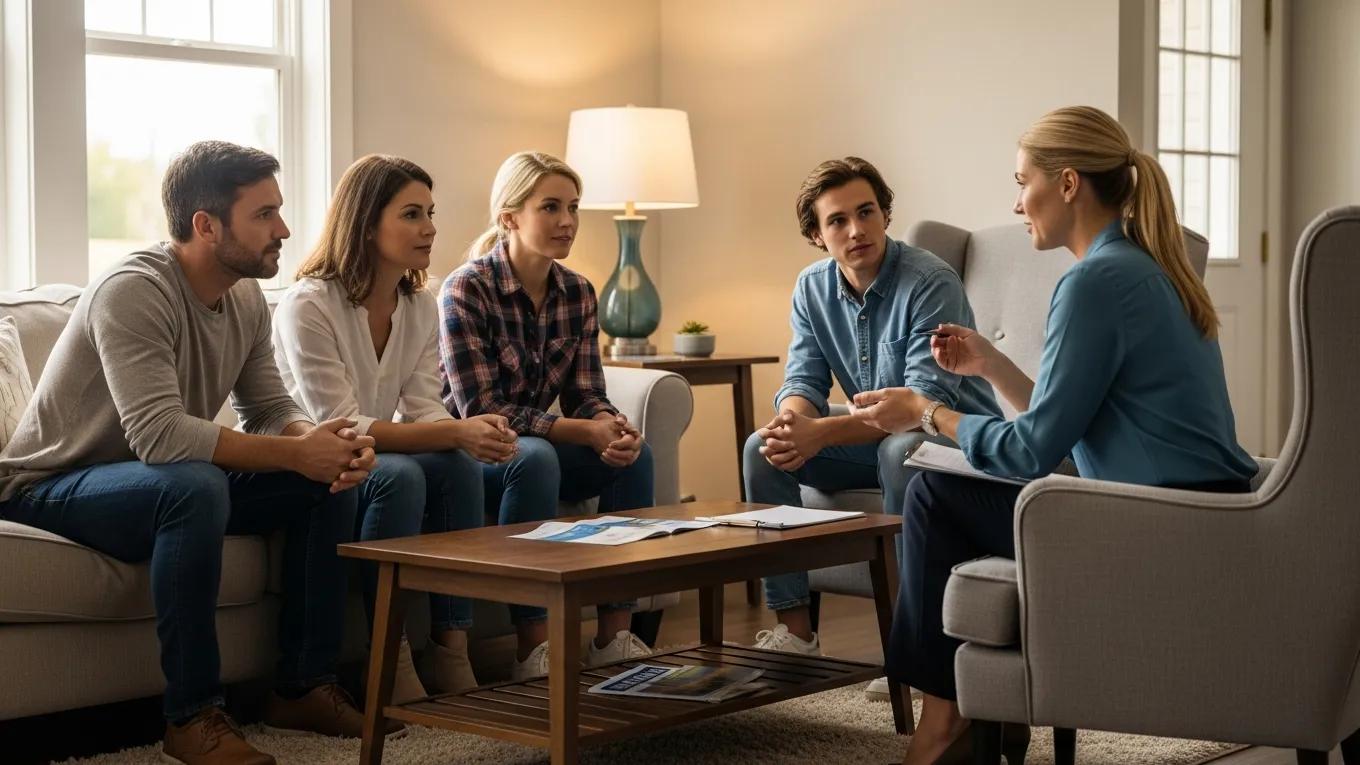
Creating an estate plan is important for every family, but it’s essential for blended families. When children, stepchildren, and spouses from different relationships are involved, there’s more at stake and more opportunities for confusion or conflict. Without a clear legal plan, the people you love most may be left guessing or even disputing what your intentions were.
In Nevada, estate law follows strict rules when no legal documents are in place. That means if you pass away without a plan, state law, not your wishes determines who inherits your assets. This can create unexpected outcomes, especially in blended families where some members may not be related by blood but still play central roles in your life.
This blog will help you understand the specific estate planning challenges blended families face and how to navigate them with clarity and care. Whether you’re newly remarried, raising stepchildren, or part of a multigenerational household, you deserve a plan that honors all your relationships and protects everyone involved.
Estate Planning Isn’t One-Size-Fits-All in Nevada
Blended families often include spouses with children from previous relationships. Without proper planning, Nevada’s default inheritance laws could exclude stepchildren or unintentionally favor one side of the family over the other. For example, assets may go directly to a surviving spouse, leaving biological children without the support you intended to provide.
Estate planning allows you to create a roadmap that fits your exact family structure. You can name who should receive what, when, and how. You can also protect your surviving spouse while still ensuring your children from a prior relationship are not overlooked. This flexibility is one of the most important reasons blended families need more than a basic will.
In Las Vegas and across Nevada, many families are surprised to learn how fast complications arise after a loved one’s death. If one spouse dies without a clear plan, the surviving spouse may inherit everything, and children from a prior marriage may receive nothing. Even if intentions were clear during life, they need to be written into a valid estate plan. The best way to avoid this situation is by designing a legal strategy that reflects your unique family dynamics and long-term goals.
Tools That Bring Clarity to Complex Family Dynamics
When it comes to blended families, the right legal tools can make all the difference. Wills, trusts, and other estate planning documents provide structure and ensure that your intentions are followed. Without them, loved ones are left relying on state rules and those rules don’t always reflect modern family relationships.
Using Wills and Trusts to Avoid Confusion and Conflict
A will is the foundation of any estate plan. It allows you to name beneficiaries, designate guardians for minor children, and choose who will manage your estate after you pass. For blended families, this clarity is crucial. You can include stepchildren, exclude estranged relatives, or leave specific assets to certain people. A properly executed will can give your family the guidance they need when emotions are running high.
A trust offers even more control and privacy. You can use a revocable living trust to hold your home, savings, or other key assets. The trust spells out who receives what and when, and it helps avoid probate entirely. This is especially helpful in blended families where timelines and financial responsibilities can vary. A trust allows you to support your surviving spouse while reserving assets for children from a prior relationship—something that can be difficult to achieve with a will alone.
What Happens Without a Plan in Place?
If you die without an estate plan in Nevada, your assets are distributed according to intestate succession laws. This often means the surviving spouse receives a large share of the estate, while children from previous relationships receive less or nothing at all. This default structure rarely reflects the wishes of blended families, and it can quickly create tension between stepparents and stepchildren.
The probate process also becomes more complicated without clear instructions. Loved ones may need to go to probate court to resolve disputes or clarify what was intended. That means more time, more expense, and more emotional strain during an already difficult period. If your family has multiple households, step-siblings, or joint assets, the risks of leaving things unresolved are even higher. For guidance specific to marriage-based planning, our marriage and estate planning page breaks down how to get started.
Smart Strategies for Las Vegas Families
Every blended family is different, which means your estate plan should reflect your specific relationships and financial responsibilities. Whether you’re supporting children from multiple households or sharing property with a new spouse, thoughtful planning can prevent confusion and protect everyone involved.
Protecting Children from All Relationships
It’s common for blended families to include children from prior marriages, stepchildren, and children born into the current partnership. Each of these relationships may come with different expectations, but the law treats biological and stepchildren differently unless a legal plan says otherwise. By creating a comprehensive trust or will, you ensure that each child is acknowledged and receives what you intend.
A common approach involves setting up a trust that provides for your surviving spouse during their lifetime, with remaining assets going to your children after your spouse passes away. This setup helps prevent unintentional disinheritance. For families with more complex needs such as a business, vacation home, or unequal inheritance goals a personalized estate plan can include instructions for each scenario. These plans can also coordinate with your retirement accounts and estate strategy to ensure all assets align.
Get Guidance from a Nevada Estate Planning Attorney
Blended family planning requires more than just filling out a will form. A Nevada-based attorney understands community property laws, inheritance rights, and the specific risks that arise when a plan is unclear. At the Law Office of Sean M. Tanko, we focus on building estate plans that honor your relationships and reduce the chance of legal disputes.
We help Las Vegas families create plans that protect what matters most: your home, your children, your financial security, and your peace of mind. Whether you need to start from scratch or update an existing plan, we’ll guide you through it step by step. If you also want to add a layer of protection for assets, we offer additional tools like asset protection strategies tailored to your needs.
Conclusion
Blended families bring love, growth, and new beginnings but they also bring unique legal challenges. Without an estate plan, Nevada’s laws may divide your assets in ways that don’t reflect your intentions. A clear, customized strategy ensures your spouse, children, and stepchildren are all protected.
By working with an experienced estate planning attorney, you take control of your legacy and reduce stress for your loved ones. You’ll have the confidence of knowing your wishes will be honored and your family won’t be left to untangle things in court.
Ready to start planning with your blended family in mind? Contact Sean M. Tanko Law Office today for trusted estate planning guidance that puts your family first.