
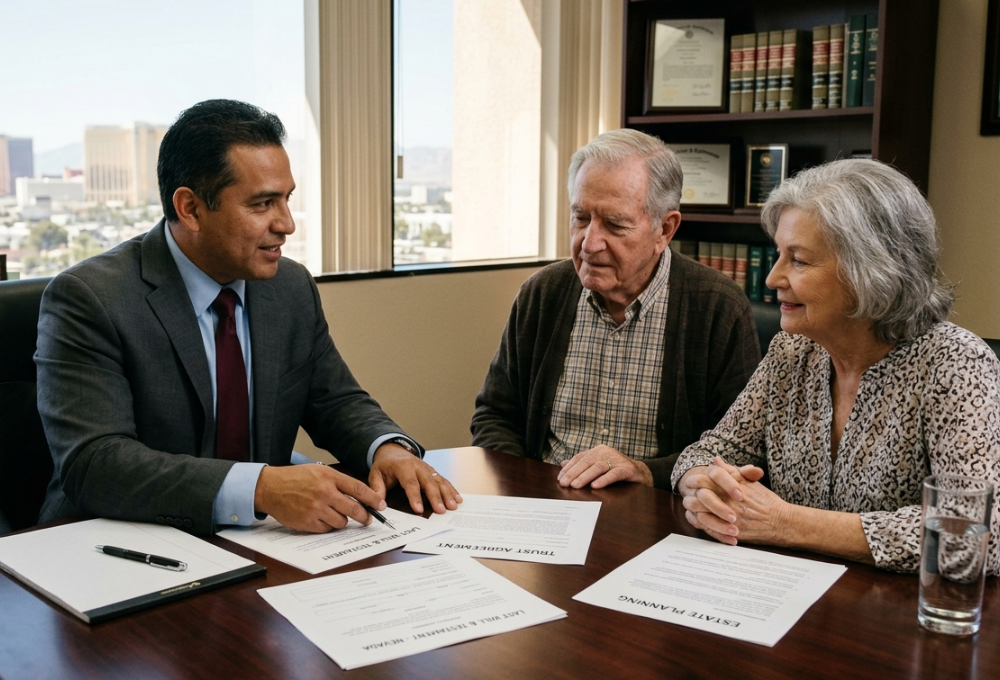
Comprehensive Estate Planning Checklist for Nevada Families: Secure Your Legacy with Wills, Trusts, and Probate Guidance
Estate planning is a crucial process for Nevada families seeking to secure their legacy and manage their assets effectively. By understanding the essential estate planning documents and strategies, families can ensure their wishes are honored and their loved ones are protected after their passing. This guide focuses on the vital components of estate planning in Nevada, including wills, trusts, and navigating the probate process. Families often face the challenge of making complex legal decisions regarding asset distribution and protection. By following this comprehensive checklist, families can minimize potential conflicts and expenses, providing peace of mind for both themselves and future generations. Key topics covered in this checklist include essential estate documents, the Nevada probate process, and requirements for living wills and powers of attorney.
What Essential Estate Documents Should Nevada Families Prepare?
Effective estate planning begins with understanding the essential documents that ensure your wishes are carried out. In Nevada, families should prepare three key estate documents to facilitate a smooth transition of assets. These include a Last Will and Testament, trust documents, and a durable power of attorney.
- Last Will and Testament: Specifies how your assets will be distributed after your death, allows for the appointment of an executor, and can help minimize disputes among surviving family members.
- Trust Documents: These documents manage your assets both during your lifetime and after your passing. Revocable living trusts, in particular, are helpful as they can help avoid probate, speed up the distribution of assets, and provide privacy.
- Durable Power of Attorney: This crucial document appoints someone to manage your financial affairs in the event you become incapacitated, ensuring that your wishes are respected even when you cannot express them.
Understanding these documents will pave the way for a comprehensive estate plan that addresses your family’s specific needs.
How Do Nevada Wills Establish Asset Distribution and Legal Validity?
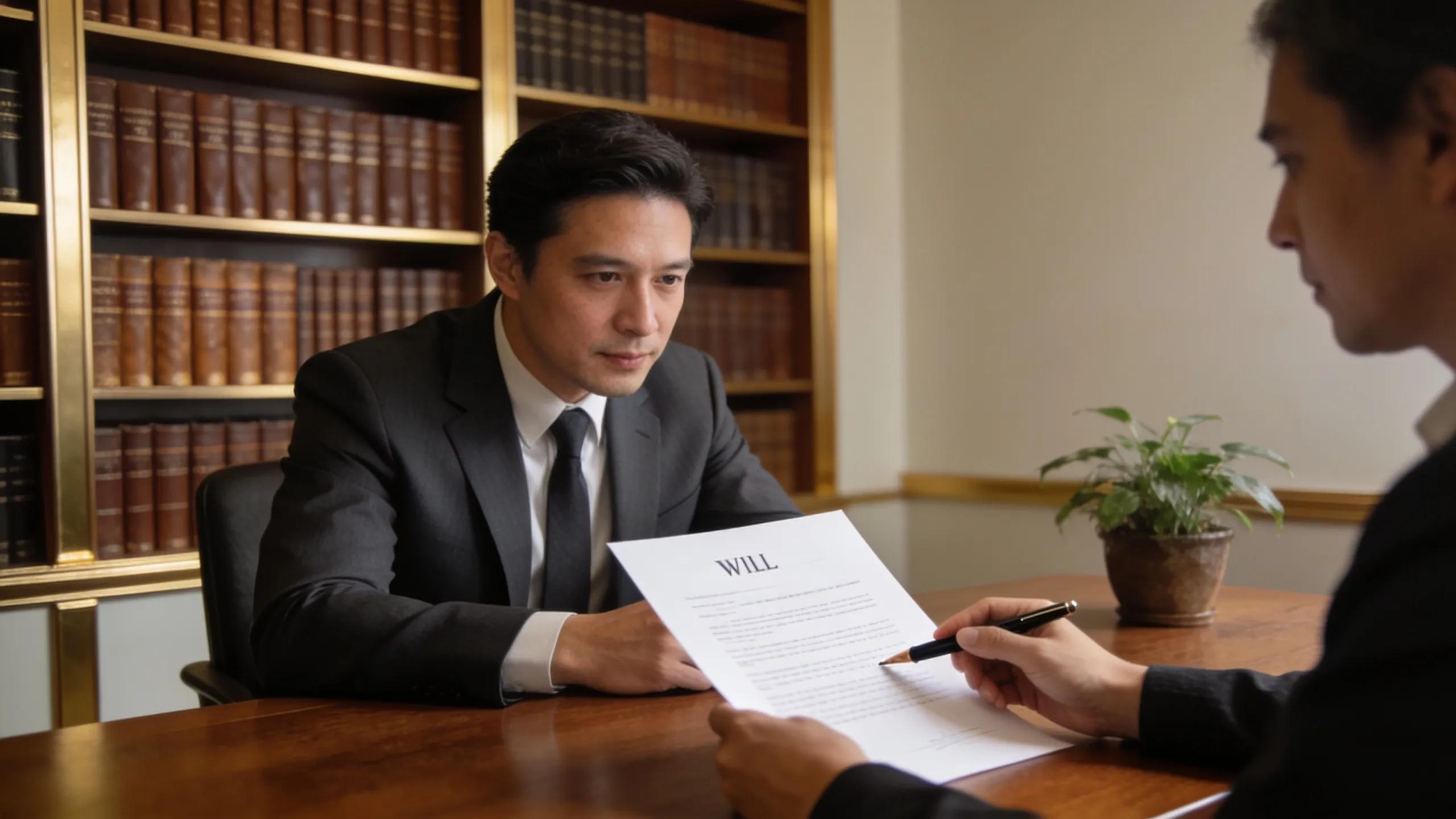
Nevada wills are fundamental tools in estate planning, outlining the distribution of assets post-death and ensuring their legal validity. A valid will in Nevada must be written by an individual who is at least 18 years old and mentally competent when signing. Additionally, to prevent intestate succession, which can lead to the state making decisions about asset distribution, it is essential to clearly document your wishes in a will. The inclusion of at least two witnesses is also a critical requirement for strengthening the document’s legal standing.
Legal validity is crucial, as it allows the will to be recognized in probate court, where its terms are executed according to the deceased’s wishes. Without a valid will, the distribution follows state laws, which may not align with the deceased’s intent. Therefore, creating a legally sound will is paramount for Nevada families seeking peace of mind regarding the distribution of their assets.
Why Are Trusts Important for Nevada Families for Probate Avoidance and Asset Protection?

Trusts serve as an invaluable tool for many Nevada families, primarily because they can help avoid probate and enhance asset protection. By placing assets in a trust, families can facilitate direct transfers of property to beneficiaries, bypassing the often lengthy and costly probate process.
Another critical advantage of using trusts is the privacy they afford. Unlike wills, which become public records during probate, trusts remain confidential, allowing families to maintain discretion regarding their financial matters. Furthermore, trusts provide mechanisms for controlling how and when beneficiaries receive their assets, enabling families to set conditions that align with their intentions, such as age restrictions or specific circumstances. This level of management over assets can be crucial in safeguarding the financial interests of loved ones.
How Does the Nevada Probate Process Impact Estate Administration?
Navigating the Nevada probate process is essential for the administration of an estate after death. This legal process involves validating the deceased’s will, if one exists, and overseeing the distribution of assets according to that will. The probate process can be lengthy, often taking several months to a year, depending on the estate’s complexity and any potential disputes among heirs.
To initiate the process, a probate petition must be filed in the appropriate court, along with the will and an inventory of the estate’s assets. This formal step is necessary to obtain the legal authority for the executor to act. The probate process also entails settling any debts and taxes owed by the estate, which can complicate and prolong the administration.
Familiarity with the probate process is essential for Nevada families. Understanding its steps, which include filing the probate petition and distributing the assets, can alleviate some of the stress during this challenging time.
What Are the Step-by-Step Procedures in the Nevada Probate Process?
The Nevada probate process typically follows several key steps to ensure the efficient administration of an estate:
- Filing a Probate Petition: The executor or interested party must file a petition with the probate court, along with the original will and a list of the deceased’s assets.
- Appointment of the Executor: Once the petition is approved, the court will officially appoint the executor, granting them the authority to manage the estate.
- Inventorying Assets: A detailed list of the estate’s assets must be compiled, including real estate, bank accounts, and personal property, to ensure that all valuables are accounted for.
- Settling Debts and Taxes: The executor must pay off any debts or taxes owed by the estate before distribution to beneficiaries. This step can often involve significant delays depending on the estate’s liabilities.
These steps typically extend the probate timeframe, resulting in average durations of 3-4 months for simpler estates, while more complex cases can take a year or more.
How Can Families Minimize Probate Delays and Expenses in Nevada?
Families in Nevada can employ various strategies to reduce delays and minimize probate expenses. Here are several effective approaches:
- Create a Living Trust: By establishing a living trust, assets can bypass probate completely, allowing direct transfer to beneficiaries upon death.
- Utilize Joint Ownership: Holding assets in joint ownership can help ensure they automatically transfer to the co-owner without going through probate.
- Designate Beneficiaries: Designating beneficiaries for accounts such as life insurance or retirement funds allows for direct transfers without probate.
- Keep Records Updated: Regularly reviewing and updating estate planning documents can prevent disputes and ensure that all assets are clearly accounted for and designated.
Implementing these strategies can significantly smooth the estate settlement process, easing burdens for loved ones left behind.
What Are Nevada’s Requirements for Living Wills and Powers of Attorney?
Living wills and powers of attorney are pivotal aspects of estate planning, particularly regarding healthcare decisions and financial management. Nevada law requires that a living will be a written document explicitly stating your wishes for medical treatment if you become unable to communicate.
For a durable power of attorney, you must designate an agent in writing. This appointed individual will manage your financial affairs, ensuring that your preferences are upheld during incapacity. Notably, both documents must be signed by the principal and, ideally, witnessed to enhance their legal enforceability.
Families must understand that these legal documents protect individual rights and preferences when crucial decisions must be made, mitigating potential conflict among family members during challenging times.
How Does a Power of Attorney Protect Your Interests in Nevada Estate Planning?
A durable power of attorney is a vital tool in estate planning, safeguarding your interests in case of incapacitation. This legal instrument allows you to designate an agent responsible for making financial and healthcare decisions on your behalf.
Designating a trusted individual as your agent ensures that your wishes regarding medical treatment, financial affairs, and other significant decisions are respected. This capacity to manage personal affairs effectively can prevent misunderstandings and disputes within the family during periods of vulnerability. For instance, in emergencies, a power of attorney allows the agent to make prompt medical decisions when time is of the essence.
The durability of the power of attorney means it remains effective even if you become incapacitated, providing continued oversight for your interests throughout challenging circumstances.
Which Asset Protection Strategies Are Effective for Nevada Residents?
Nevada residents should consider various strategies to protect their assets against potential creditors and legal claims. Effective asset protection policies include:
- Asset Protection Trusts: Establishing trusts can shield assets from creditors while offering potential tax benefits.
- Limited Liability Companies (LLC): Forming an LLC can separate personal assets from business liabilities, thus providing a layer of protection.
- Homestead Exemption: Filing a homestead declaration can protect the equity in your primary residence from creditors, preserving a safety net for your assets.
Using these strategies helps families safeguard their wealth against unforeseen circumstances and financial liabilities. For more on safeguarding your assets, consider exploring asset protection tools and techniques.
How Can Nevada Families Legally Protect Assets from Creditors?
To legally protect assets from creditors, Nevada families can employ various proactive strategies that create barriers against asset seizure. Here are some common methods:
- Declare Homestead: Filing for a homestead exemption protects home equity from many creditors, allowing families to keep their homes safe.
- Family-Limited Partnerships: By pooling family assets in partnerships, control remains in the family’s hands, while exposure to creditor claims diminishes.
- Using Insurance Policies: Certain insurance policies can provide coverage that avoids being counted as assets in creditor claims, offering financial protection.
These measures help establish a financial fortress for families, ensuring that their assets remain intact regardless of external financial pressures.
What Role Does Business Succession Planning Play for Nevada Estate Management?
Business succession planning plays a critical role in estate management for families with business interests. Creating a well-defined plan not only ensures the smooth transition of business operations but also secures the business’s financial future for the next generation.
Key components of effective succession planning include identifying potential successors, developing leadership skills within the family, and establishing clear operational guidelines that ensure continuity. This proactive approach minimizes disruption and uncertainty, preserving family wealth and maintaining stability for employees and clients.
Succession planning ensures that the family’s business legacy continues beyond the current generation, fulfilling both personal and professional aspirations.
Navigating complex legal matters requires expert guidance. If you need assistance with estate planning, contact us today for a consultation.
For insights into how marriage can affect estate planning and probate, explore marriage estate planning and probate attorney insights.